
BLENDED FAMILY ESTATE PLANNING IN CALIFORNIA: A GUIDE FOR SONOMA COUNTY & THE BAY AREA
You marry again at 55. Your new spouse has two adult children. You have three adult children from your first marriage. You own a house, a rental property, retirement accounts, and investments.
Your will says: "Everything to my current spouse."
Here's what happens: Your current spouse inherits everything. Your children from your first marriage get nothing. Your spouse's children (your stepchildren) get nothing.
When your spouse dies, they can leave everything to their own children. Your biological children never see a penny.
This isn't theoretical. It happens constantly. Blended families face unique estate planning challenges that single-family households never deal with.
California law doesn't automatically protect prior children. Without a specific plan, your current spouse controls everything after your death. Good intentions don't matter. Legal clarity does.
Here's what every blended family in California needs to know.
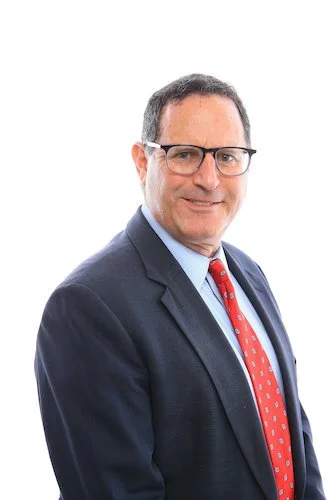
Andrew Kern
Sonoma County Estate Planning, Trust Administration, and Probate Attorney
Get Help Establishing Your Blended Family Estate Plan. Request Now
What Actually Happens When Family Members Dispute a Will
Blended families are common. One in three American families is blended. California's population is diverse, with high remarriage rates, especially among 50+ demographics.
But California law wasn't designed with blended families in mind.
Community property law (which heavily favors the current spouse) conflicts with the desire to protect prior children. Your new spouse's inheritance rights can completely override your biological children's interests.
Without specific planning, here's what typically happens:
You die first: Your current spouse inherits everything (or at least the community property portion). Your estate plan says "to my spouse."
Your spouse dies later: Your spouse's will says "to my children" (not your biological children). Everything goes to your spouse's family. Your children get nothing. Ever.
This is legal. It's also exactly opposite from what most blended family couples actually want.
The solution requires specific documents and strategies that most generic estate plans don't include.
California Community Property Law & Blended Families
California is a community property state. This means:
Anything earned or acquired during a marriage is owned 50/50 by both spouses, regardless of whose name is on the account or deed.
Under California Family Code Section 750, community property includes:
Salary and wages
Investment income earned during marriage
Real estate purchased during marriage
Business income generated during marriage
This has major implications for blended families.
Example: You remarry at 60. You have $1 million in a brokerage account (from prior marriage/work). You earn $150,000/year in your new marriage. After 10 years, you've added $1 million in new investments from your salary.
At your death:
The original $1 million is your separate property (went into marriage before current spouse)
The $1 million earned during current marriage is community property (50% to current spouse, 50% to your estate)
Your current spouse automatically owns half of everything earned during the marriage. Your prior children only inherit from your half of community property plus any separate property.
This is why the order of assets matters, and why documentation is critical.
Who Inherits What: California's Default Rules
If you die without a will or trust, California Probate Code Section 13050-13200 controls how your estate is distributed.
The rule: California's intestacy law prioritizes the surviving spouse, then biological children, then other relatives. Stepchildren have NO automatic inheritance rights.
What this means for blended families:
If you die intestate (no will), your current spouse gets significant portions. Your biological children inherit what's left. Your stepchildren inherit nothing (unless formally adopted).
If your current spouse then dies, their will likely goes to their biological children. Your biological children still get nothing.
This creates the "disinheritance by default" problem.
Your stepchildren (whom you may have raised for 20 years) inherit nothing from you. Your biological children (whom your current spouse never met) might inherit nothing from the second estate.
The solution: A specific plan that documents your intentions.
Why a Will Alone Isn't Enough
A will expressing your wishes isn't binding on your spouse if they don't agree with it.
Example: Your will says "25% to my current spouse, 75% to my prior children."
Your current spouse can challenge this. They can argue they're entitled to more community property. They can argue the will is unfair or you lacked capacity. The dispute lands in court.
Even if your will is upheld, a will triggers probate. Everything is public. All disputes play out in court documents anyone can read.
A living trust is stronger. A trust is a binding legal entity that controls assets during your life and after your death. Your current spouse cannot easily override it.
Living Trusts for Blended Families
A living trust is the centerpiece of any blended family plan.
Here's how it works:
You create a revocable living trust
You transfer assets into the trust (house, investments, retirement accounts)
You name yourself as trustee (you control everything during your lifetime)
You name a successor trustee (someone to manage assets after you die)
Most importantly: You specify exactly how assets are distributed at your death
The key advantage: The trust document is binding and specific. It controls exactly what percentage goes to your spouse, what percentage goes to your prior children, and in what order.
Your spouse cannot override it simply by being married to you.
Example: Your trust says:
"At my death, my trustee shall: (1) Pay all debts and taxes, (2) Distribute $500,000 to my surviving spouse, (3) Distribute remaining trust assets to my three prior children, equally."
This is legally binding. Your spouse gets $500,000. Your children get the rest. Done.
Without a trust, your spouse's community property rights and the intestacy statute would fight over your assets.

Protecting Your Current Spouse Without Disinheriting Prior Children
The real art of blended family planning is balancing fairness.
You want your current spouse secure and cared for. But you also want your prior children protected.
Strategy 1: Specify dollar amounts
"$500,000 to spouse, remainder to prior children"
This guarantees your spouse gets a meaningful amount but ensures your children inherit the bulk of the estate.
Strategy 2: Use a QDOT (Qualified Domestic Trust)
If your spouse is not a U.S. citizen, a QDOT provides income to the spouse but passes principal to your children after the spouse dies or remarries. This is rare but powerful if applicable.
Strategy 3: Separate property protection
Keep some assets in your name alone (separate property). These bypass community property claims and go directly to your prior children.
Strategy 4: Life insurance to spouse
Instead of leaving cash and investments to your spouse (which reduces what children inherit), leave life insurance. Proceeds go to spouse, investments go to children.
Each strategy has tax implications. Work with an attorney on California Probate Code Section 13050-13200 planning.
Prenuptial & Postnuptial Agreements
A prenuptial agreement is signed before marriage. A postnuptial agreement is signed after.
Both are legally recognized in California and allow you to opt out of community property law.
Example: "We agree that all property acquired during marriage remains the separate property of the person who earned it."
This requires both spouses to agree. It's not something you impose unilaterally.
Prenups are harder (suggests you don't trust your partner before marriage). Postnups are easier (you're both already married, so it shows different intent).
When they're useful:
Each spouse has significant separate property they want to protect
Prior children from different marriages need different protections
One spouse is much wealthier and wants to shield assets
Business owners want to protect business interests
Both require full disclosure and fair terms to be enforceable. Don't try DIY prenups—they're often unenforceable if not done correctly.
Special Considerations: Stepchildren, Adopted Children, Adult Children
Stepchildren: Have no automatic inheritance rights unless formally adopted. They can be included in your will or trust, but it requires explicit naming. California law does not grant stepchildren spousal or inheritance rights.
Adopted children (adult): Have full inheritance rights equal to biological children. If you formally adopt an adult stepchild, they inherit as a child.
Adult children (biological): Have full rights to be named in your will or trust. You can include them or exclude them intentionally. If you omit them, state it clearly: "I intentionally make no provision for [child name]."
Grandchildren: Have no automatic rights unless their parent (your child) is deceased. Then they may inherit their parent's share (per stirpes inheritance).
Digital Assets & Modern Blended Family Issues
Many blended families fail to plan for digital assets.
Your current spouse may not know:
Where your cryptocurrency is stored
What passwords protect your email or bank accounts
What online businesses you operate
Which social media accounts have value
What cloud storage contains irreplaceable files
After your death, your spouse might not be able to access these assets. Or worse, they might access them and refuse to share with your prior children.
Solution: Document all digital assets in your trust. Name your spouse as executor of digital assets with specific instructions about what goes to whom.
Common Mistakes Blended Families Make
Mistake 1: Assuming your spouse will "do the right thing"
You die. You assume your spouse will leave most assets to your prior children. Don't assume. Get it in writing.
Mistake 2: Using a simple will instead of a trust
Wills are easier to challenge, easier to override, and trigger probate (which is public and expensive).
Mistake 3: Leaving everything to your spouse
Even if you trust them, what if they remarry? What if they change their mind? What if they die without a will?
Your prior children get nothing.
Mistake 4: Not updating documents after remarriage
Your old will still names your prior spouse as executor. Your old beneficiary designations still go to your prior spouse's children. Update everything after remarriage.
Mistake 5: Failing to title assets into the trust
You create a trust but never transfer property into it. The trust is empty. Assets go through probate anyway.
Mistake 6: Hiding finances from your current spouse
This breeds distrust and can make your estate plan unenforceable. Be transparent about your intentions.
THE TAKEAWAY
Blended families need specific, thoughtful planning. A generic will or trust doesn't work.
You need:
A living trust that clearly specifies distribution percentages
Updated beneficiary designations on all accounts
Documentation of all digital assets
Possibly a prenuptial or postnuptial agreement
Clear communication with both your spouse and your prior children
The cost of getting this right: $2,000-$4,000.
The cost of getting it wrong: Your prior children inherit nothing. Your current spouse controls everything. Family conflict explodes after your death.
Call Law Office of Andrew Kern at (707) 658-4602 if you need help creating a blended family estate plan. We serve Petaluma, Santa Rosa, and all of Sonoma County and the SF Bay Area.
Your family depends on clarity. Let's create a plan that protects everyone.